
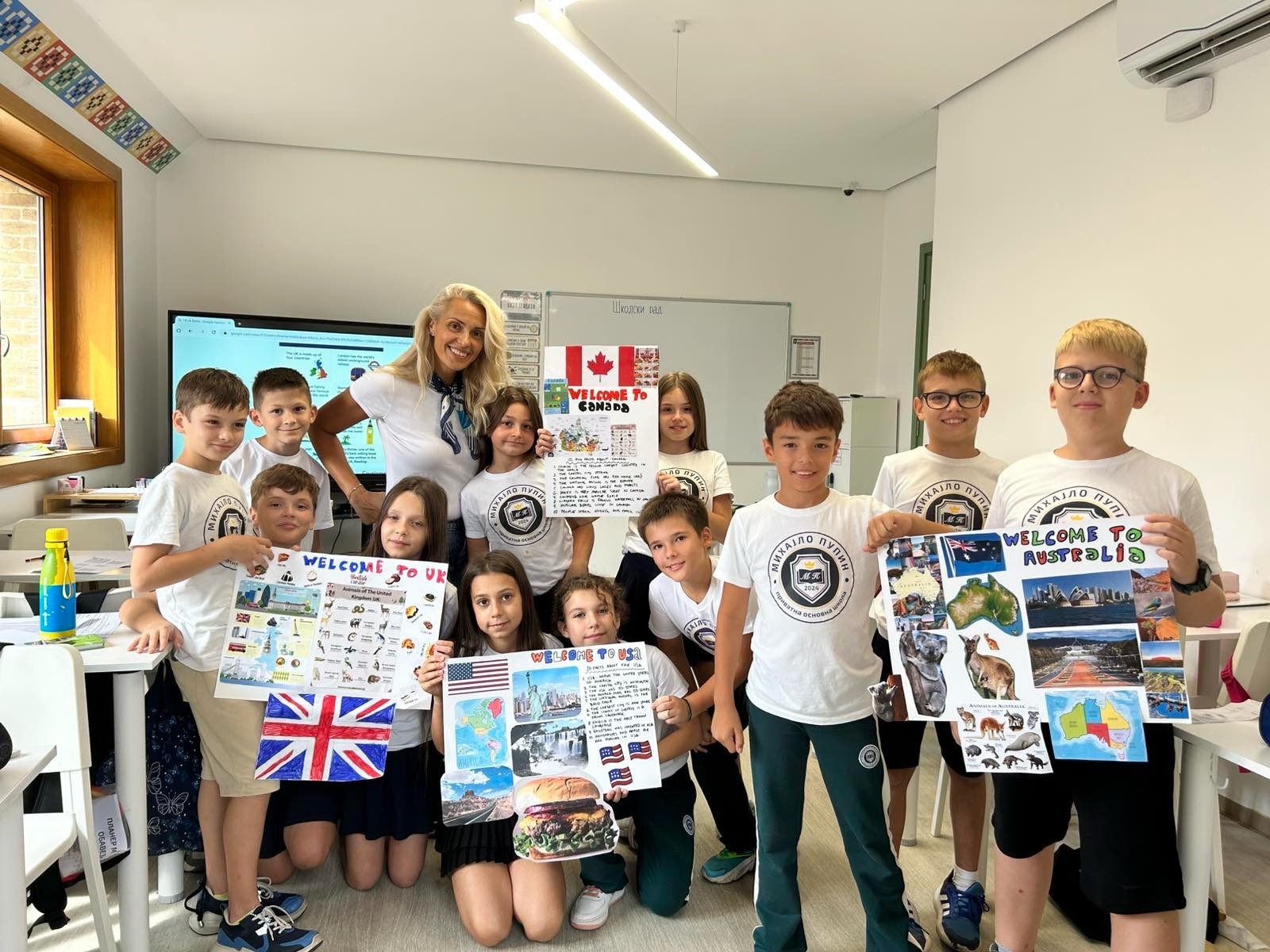
Why is a summer educational camp in London so valuable for younger primary school children?
Some trips bring children home with photos and souvenirs. Others bring them home more independent, more confident, richer in new friendships and experiences they will remember for the rest of their lives.
A two-week summer camp in London is exactly that kind of experience.
At an age when children are discovering their abilities, building habits and shaping their attitude to learning, time spent in an international environment can play a very important role in their development.
Why travel matters while children are still in primary school
Educational trips abroad are often thought of as something for older students. Yet it is precisely at a younger school age that children show great curiosity, openness to new experiences and a readiness to pick up a foreign language naturally.
When a child gets the chance early on to discover a different culture, everyday life and way of thinking, they begin to see the world from a wider perspective.
They learn that there are different customs, languages and traditions, and also that friendship, understanding and cooperation can grow no matter where someone comes from.
Experiences like these lay the foundations of openness, tolerance and intercultural understanding.
English stops being just a school subject
Imagine a child who until yesterday learned English from a textbook, and who now orders ice cream on their own, asks for directions, talks with children from other countries or joins a group activity in English.
At that moment, the language takes on a whole new meaning.
English is no longer something the child has to learn for a grade. It becomes a tool for discovering the world.
During two weeks in London, children hear and use English every day in real situations.
The special value of this experience lies not only in a bigger vocabulary, but in the courage to speak, even when they don’t know every word or when they make a mistake.
Letting go of the fear of making mistakes is one of the most important steps towards communicating successfully in a foreign language.
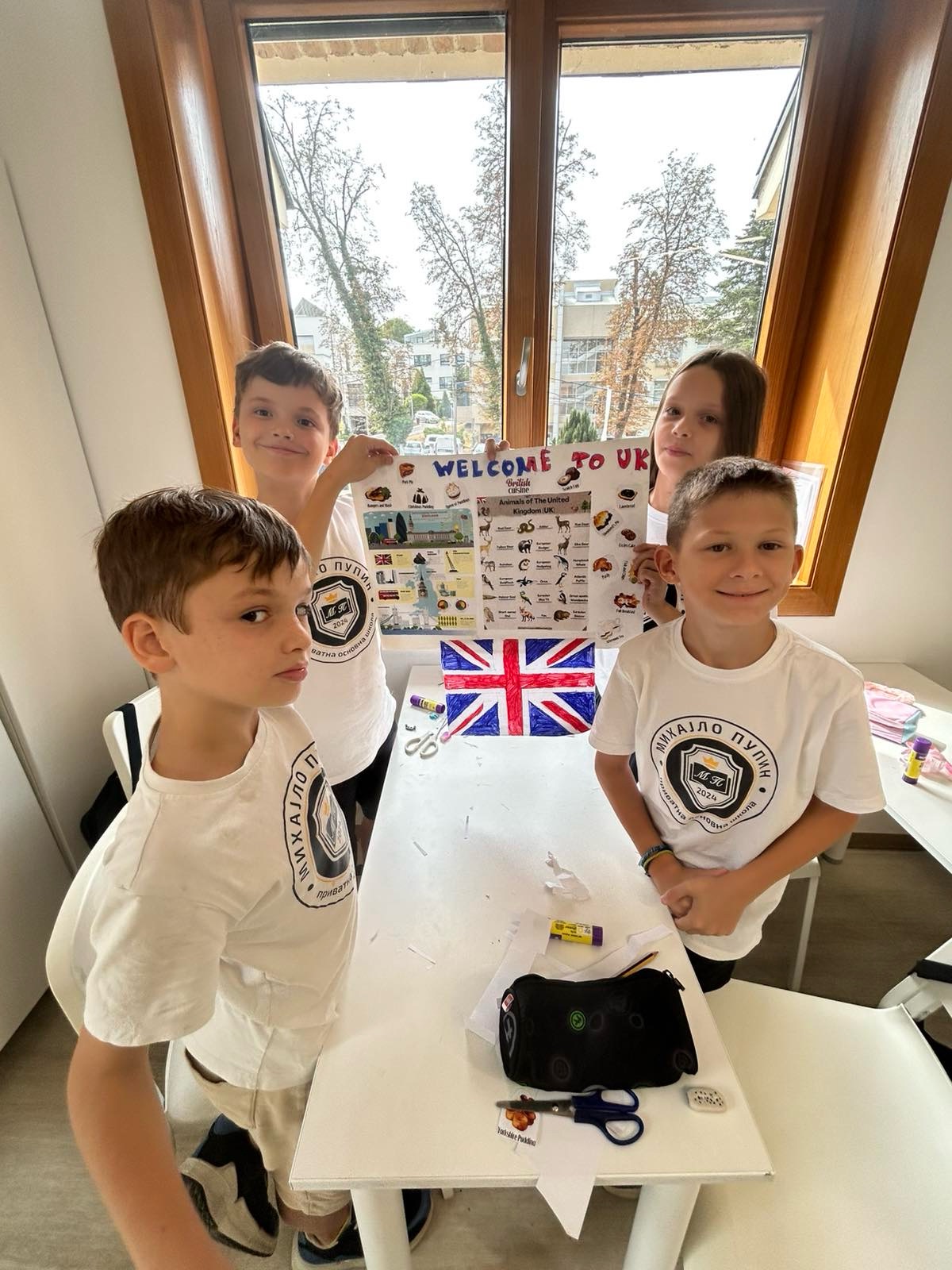
Independence is not only learned at home
For a younger primary school child, two weeks away from home, with the right support and adult supervision, can be an important step in their development.
During the camp, children learn to look after their belongings, stick to agreed times, organise their daily tasks and make small but important decisions.
They learn to cooperate with others, ask for help when they need it and adapt to new situations.
Every challenge they overcome builds their self-confidence.
A child who discovers that they can manage in a new environment often comes home with a stronger sense of personal security and ability.
London as a classroom without walls
London is one of those cities where education connects naturally with culture, history, art and science.
Instead of only reading about famous sights in books, children get to experience them first-hand.
Visits to museums, historical sites, parks and cultural institutions become opportunities to explore, ask questions and connect knowledge from different subjects.
The Natural History Museum can spark an interest in science. Historical landmarks can bring the past closer. Meeting different cultures can open conversations about the world we live in.
When a child learns through experience, knowledge takes on a personal meaning.
Two weeks – enough time for a new experience
Why two weeks?
Because a good educational camp is not just a series of trips and activities. It takes time to adjust, meet new people, settle into a routine and gradually build independence.
In the first days, children explore their new surroundings. Then they relax, grow more confident in communicating and become more willing to take part in activities.
In the second week, children often bond more closely with their peers, use English more freely and feel a stronger sense of belonging to the group.
Of course, every child adjusts at their own pace, which is why a carefully designed programme, professional supervision and emotional support are so important.
Friendships that cross borders
One of the most beautiful things about international camps is the chance to meet children from different countries.
Children discover how much they have in common, even when they speak different languages and come from different backgrounds.
Through play, sport, team tasks and shared exploration, they develop communication skills, empathy and the ability to cooperate.
They learn to listen to others, respect different opinions and find solutions together.
These are skills that will matter to them long after the camp is over.
A summer holiday with added value
The summer holiday is a time for rest, play and new experiences. An educational camp should not be an extension of regular lessons, but a chance for children to learn in a different way.
When learning is combined with travel, friendship, sport and exploration, children often develop stronger inner motivation.
That is why a two-week summer camp in London can be an exceptional combination of rest, education and personal growth.
Safety and emotional readiness come first
For younger primary school children, it is important that going to camp suits their age, maturity and previous experience of being apart from their parents.
Good organisation means proper supervision, checked accommodation, clearly defined safety procedures, regular communication with parents and adults whom children can turn to at any moment.
The goal is not for a child to become fully independent too early, but to develop their abilities gradually in a safe and encouraging environment.
The most valuable things a child brings home from London don’t fit in a suitcase
At the end of two weeks, the child will come back with memories, photos and new stories.
But what really matters may not be visible right away.
It will be the courage to speak English. The confidence to try something new. The ability to work with people they didn’t know before. The curiosity to explore the world beyond familiar surroundings.
We cannot know in advance what our children will do when they grow up, but we can give them experiences that prepare them to move through the world with more confidence.
That is why a two-week summer camp in London is not just a trip.
It is a chance for a child to take one small but important step towards the wider world.
Mihajlo Pupin Private Primary School – education beyond the classroom walls.