
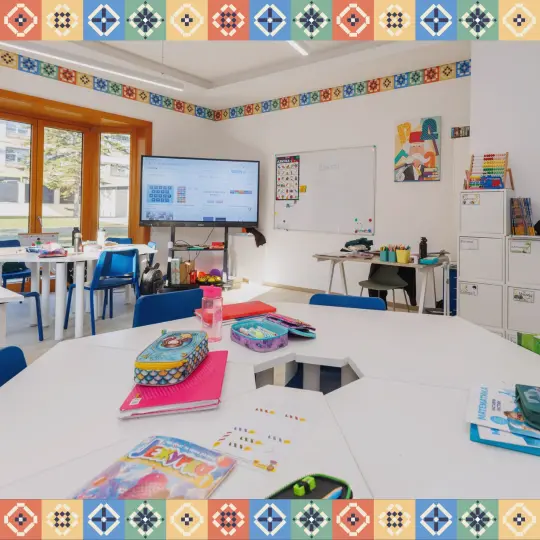
Do you remember your first day of school? The excitement, nervousness, and a little fear of the unknown are all perfectly natural. Starting first grade is an important milestone in every child’s life. It marks the beginning of a new chapter, filled with new people, a new environment, and new responsibilities.
To help children make this transition successfully, family support is essential. At the same time, every parent wants to provide the best possible education for their child, making the choice of school one of the most important decisions they will make. In this article, you will find practical advice on preparing your child for first grade and choosing the right school.
Preparing Your Child for First Grade
A gradual introduction to school routines can make a significant difference. Helping children become familiar with new responsibilities, daily activities, and their future school environment makes the transition much smoother and helps them feel more confident.
Emotional Preparation and Building Good Habits
Starting first grade means taking on new responsibilities that will not always feel like play. From the very beginning, it is important for children to develop positive study habits and a sense of responsibility.
School should not be seen only as a place for fun, but as a place where children learn, grow, and take responsibility for their own development. While preschool is largely centered around play, primary school introduces a different rhythm and structure.
Simple household responsibilities—such as tidying their room or helping prepare a snack—can encourage children to distinguish between play and responsibility while building independence and confidence.
Should Children Know How to Read and Write Before Starting School?
One of the most common questions parents ask is whether children should already know how to read and write before starting first grade.
Every child is unique and develops at their own pace. If a child naturally shows an interest in reading and writing, that interest should be encouraged. Visiting libraries, reading storybooks together, and learning through play are wonderful ways to support early literacy.
On the other hand, children who are not yet interested should never be pressured. Instead, parents can focus on activities that strengthen concentration, fine motor skills, and social development—all of which are equally important for school readiness.
Friendships and Social Skills
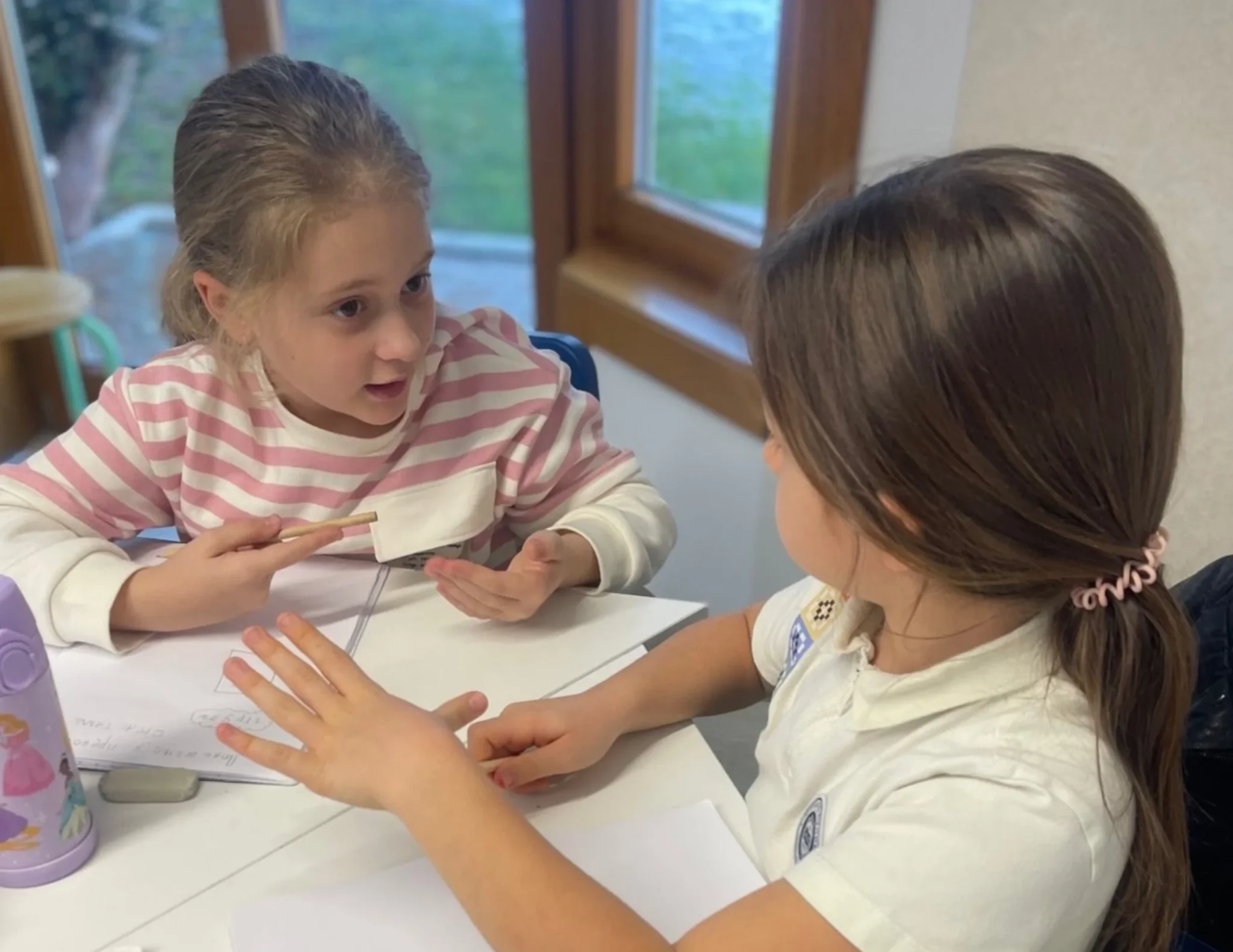
Children form friendships naturally, and their peers quickly become an important part of their lives. That is why it is valuable for parents to regularly talk with their children about their friends and social experiences.
Teaching children how to communicate respectfully, share, cooperate, and work together helps them develop essential social skills. Empathy and the ability to recognize when a friend needs help make it easier for children to build positive relationships and feel confident within their peer group.
Supporting the development of social skills from an early age helps children feel accepted, secure, and ready to thrive at school.
How Parents Shape Their Child’s Attitude Toward School
Starting school is a significant milestone not only for children but also for parents.
The way parents talk about school greatly influences how children will feel about learning. Parents should encourage respect for both classmates and teachers and present school as a safe, supportive, and inspiring environment.
When children sense that their parents trust the school and its teachers, they are far more likely to develop a positive attitude toward learning and embrace their new responsibilities with confidence.
What Does First Grade Enrollment Look Like at Mihajlo Pupin Private Primary School?
At Mihajlo Pupin Private Primary School, the school readiness assessment is designed to be a positive and stress-free experience.
Our educational specialists create a welcoming atmosphere where future first graders feel comfortable and supported. Rather than focusing on demanding assessments of reading or writing skills, we use modern, child-friendly methods that have proven to be far more enjoyable and appropriate for young children.
After visiting our school, parents have the opportunity to learn more about our educational program, meet our teaching staff, explore our extracurricular activities, and receive information about school meals and everyday school life. Once they decide to enroll their child, the enrollment process is simple and straightforward.
Following the school readiness assessment, parents sign the Enrollment Agreement along with the accompanying documentation. This includes a parent questionnaire that provides valuable information about the child’s interests, strengths, parents’ expectations, and any specific dietary or educational considerations.
Before the beginning of the school year, every new student receives their school uniform, is assigned a personal locker with textbooks and school supplies, and officially becomes part of our school community.
Recognized by the Ministry of Education for delivering the national curriculum to the highest standards, Mihajlo Pupin Private Primary School is also known for its innovative and child-friendly approach to first-grade readiness assessments. Our goal is to ensure that children begin their educational journey with confidence, curiosity, and joy rather than stress.
For these reasons, we proudly believe that enrolling at Mihajlo Pupin Private Primary School is an excellent choice for both children and their families.